Opening Scene
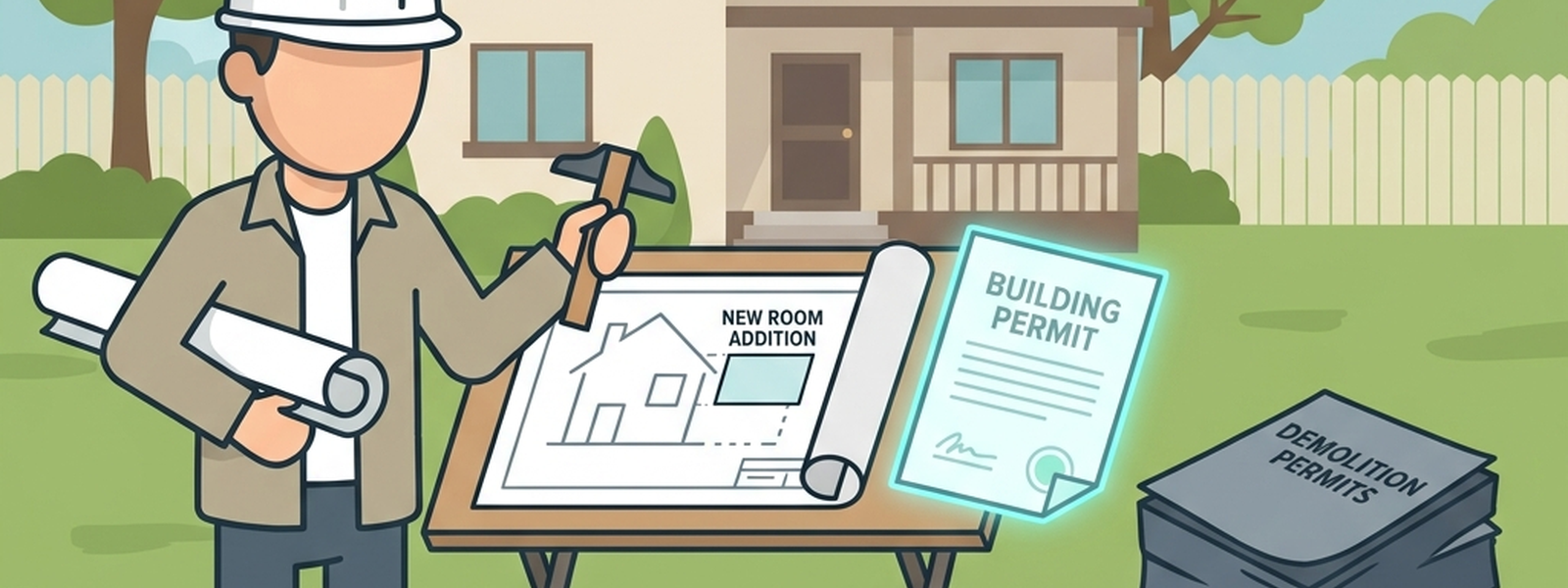
Adding a new room onto the back of a house is real construction, but it’s a fundamentally different kind of project than knocking down the wall between the kitchen and the living room. Nobody currently living in the house is displaced. Nothing they already rely on stops working while the new room goes up. A building inspector barely blinks at the permit request.
Additive schema changes are this exact same low-drama kind of construction.
In Plain English
An additive schema change — adding a new nullable column, a new optional field, a new table — extends a schema without altering or removing anything existing consumers already depend on. Because nothing that already worked stops working, additive changes are the safest, lowest-risk category of schema evolution, and distinguishing them clearly from changes that aren’t additive is the first real skill in managing schema change deliberately.
The Old Way
Before additive changes were treated as their own, genuinely lower-risk category, schema changes were often handled with a uniform, blanket caution:
- Every schema change, regardless of actual risk, sometimes triggered the same heavyweight review and migration process, similar to requiring a full demolition permit for a simple room addition, wasting real time on changes that posed little genuine risk.
- Teams without a clear framework for classifying change risk sometimes erred toward excessive caution, slowing down genuinely safe additions, or toward excessive looseness, treating a genuinely risky change as casually as a safe one.
- The distinction between “safe to ship immediately” and “needs careful coordination” was often a matter of individual judgment, rather than a documented, shared standard a whole team could rely on consistently.
This blanket, undifferentiated caution is precisely what a clear additive-versus-breaking framework was built to replace.
What’s Changing (and Why AI Is the Reason)
- AI-assisted schema diffing can now automatically classify a proposed schema change as additive, breaking, or ambiguous, comparing the new schema against the old and flagging exactly what changed, rather than requiring a human to manually reason through the diff every time. This directly extends the change-impact detection covered in Article 7 of this series, applied specifically to the additive-versus-breaking distinction.
- This automated classification lets a team confidently fast-track genuinely additive changes through a lighter review process, reserving careful, coordinated review for changes that actually carry real risk, rather than treating every change identically. This is a direct, practical efficiency gain that manual, uniform review processes structurally couldn’t offer.
- AI-assisted default-value and nullability suggestions can help ensure a newly added field is genuinely additive — correctly nullable or defaulted — catching a case where a field was added without proper defaults and would actually break existing writers, before that mistake ships. This closes a subtle, common failure mode where an “addition” turns out not to be safely additive after all.
The Metaphor, Fully Extended
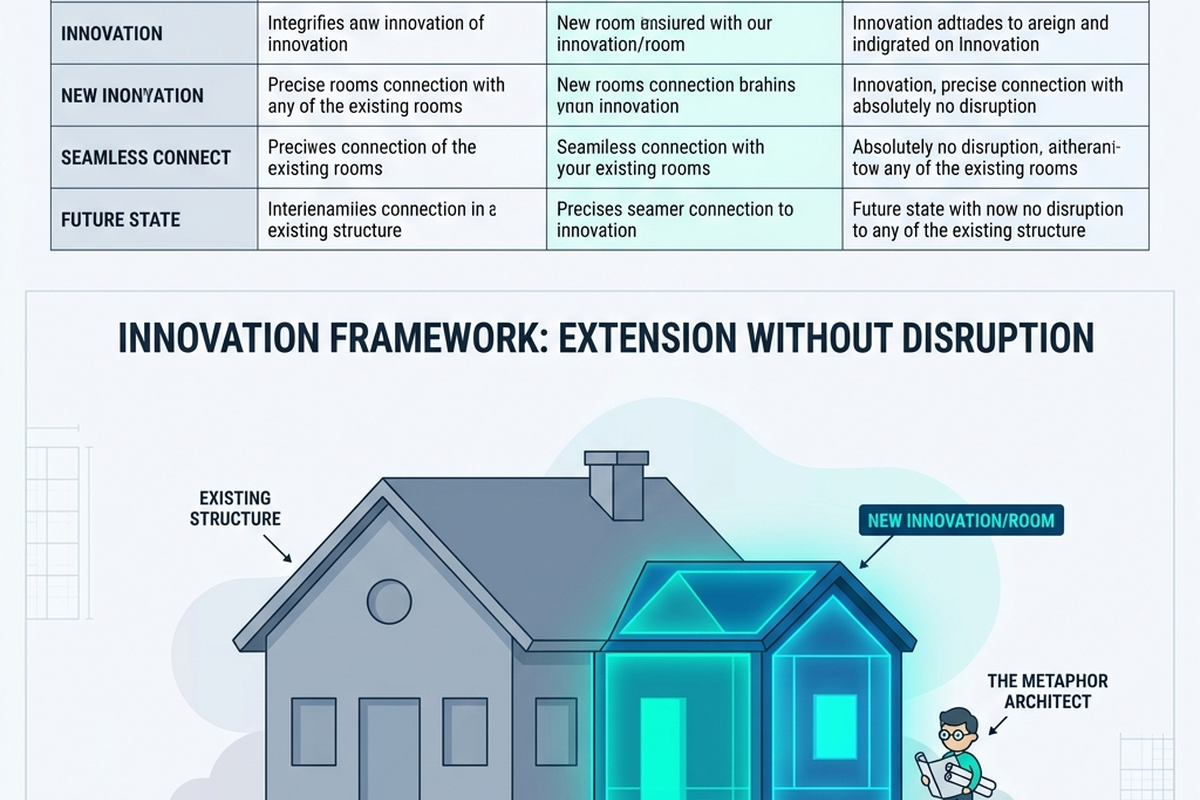
| Building Element | Additive Schema Change Concept |
|---|---|
| Adding a new room onto the back of a house | Adding a new nullable column, field, or table |
| Nobody currently living in the house being displaced | Existing consumers continuing to work unaffected |
| A quick, lightweight permit for a simple addition | A fast-tracked, lighter review process for additive changes |
| Knocking down a load-bearing wall, requiring real structural engineering review | A breaking change, requiring careful, coordinated migration |
| A building inspector automatically classifying a proposed project’s actual risk level | AI-assisted schema diffing automatically classifying a change as additive or breaking |
For Beginners: What to Actually Do
- Learn to recognize genuinely additive changes — new nullable fields, new optional tables — as the lowest-risk category of schema change.
- Double-check that a “new field” is actually additive by confirming it’s nullable or has a sensible default, not silently required.
- Use AI-assisted schema diffing tools to get a second opinion on whether a change is genuinely additive before shipping it.
- Notice that this distinction is the foundation the rest of this schema evolution arc builds on.
For Practitioners and Leaders: The Deeper Layer
- Establish a documented, shared standard distinguishing additive from breaking changes, rather than leaving the judgment call to individual discretion.
- Use AI-assisted schema diffing to fast-track genuinely additive changes through a lighter review process, freeing careful review capacity for changes that actually need it.
- Watch specifically for changes that look additive but aren’t — a new required field, for instance — since these are the most common source of “safe” changes that turn out not to be.
- Treat this additive-versus-breaking classification as a genuine prerequisite for the rest of this extended arc’s schema versioning and migration practices.
Quick Recap
- Additive schema changes extend a schema without altering or removing anything existing consumers depend on, making them the lowest-risk category of schema evolution.
- This directly parallels adding a new room onto a house without displacing anyone already living there.
- AI-assisted schema diffing can now automatically classify a change as additive or breaking, letting teams fast-track genuinely safe changes.
- Watching for changes that look additive but aren’t — like an improperly defaulted new field — remains a genuine, important discipline.
Where This Fits in the Series
This article opens the series’ second arc, going deeper into schema evolution and versioning — the safe-renovation theme first introduced in Article 7 — building on the whole city established in Articles 1 through 10. Article 12 looks at figuring out which walls are actually load-bearing.
Subscribe to the Newsletter
Get the latest DataParables articles delivered straight to your inbox.